Master the Art of Fast, Nutritious Stir-Fry Cooking
Published on January 28, 2025
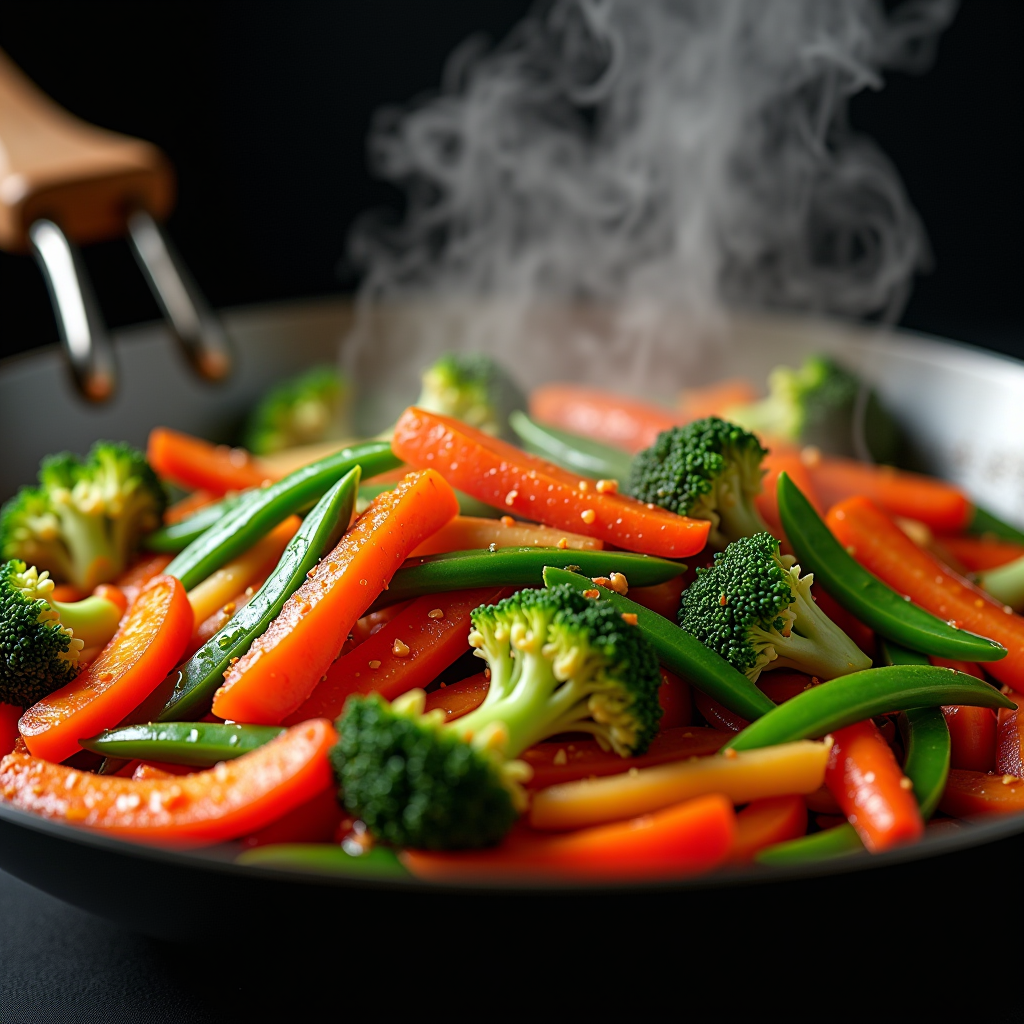
Stir-frying is one of the most versatile and efficient cooking techniques you can master. With the right skills and preparation, you can transform simple ingredients into restaurant-quality meals in minutes. This comprehensive guide will teach you everything you need to know about creating fast, nutritious stir-fries that work with whatever you have in your kitchen.
Essential Knife Skills for Stir-Fry Success
The foundation of any great stir-fry begins with proper knife work. Uniform cutting ensures even cooking, which is crucial when you're working with high heat and short cooking times. When learning how to cook vegetables for stir-fry, the size and shape of your cuts matter tremendously.
Start by mastering the basic julienne cut for vegetables like bell peppers, carrots, and zucchini. Aim for pieces that are approximately 2-3 inches long and about 1/4 inch thick. This size allows vegetables to cook quickly while maintaining a pleasant crunch. For proteins like chicken or beef, slice against the grain into thin strips of similar dimensions. This not only ensures quick cooking but also creates tender, easy-to-eat pieces.
Diagonal slicing is another essential technique, particularly useful for vegetables like asparagus, green beans, and celery. By cutting at a 45-degree angle, you increase the surface area exposed to heat, promoting faster cooking and better sauce absorption. For aromatics like garlic and ginger, which form the flavor base of most stir-fries, practice mincing them finely. The smaller the pieces, the more quickly they'll release their flavors into the oil.
Keep your knife sharp and use a stable cutting board. A dull knife requires more pressure and is actually more dangerous than a sharp one. When you're preparing multiple ingredients, organize them by cooking time. Harder vegetables like carrots and broccoli should be cut slightly smaller than softer ones like mushrooms or snow peas, ensuring everything finishes cooking at the same time.
Understanding and Controlling Wok Temperature
Temperature control is the secret to achieving that characteristic "wok hei" or breath of the wok that makes restaurant stir-fries so special. Whether you're using a traditional wok or a large skillet, understanding heat management will transform your cooking.
Preheat your wok or pan over high heat for at least 2-3 minutes before adding oil. You'll know it's ready when a drop of water evaporates almost instantly upon contact. This initial high heat is crucial for creating the sear that locks in flavors and creates texture. When you add oil, it should shimmer and flow easily across the surface, almost smoking but not quite. This is your ideal starting temperature.
The key to successful stir-frying is maintaining high heat throughout the cooking process. This means working in batches if necessary. Overcrowding the pan drops the temperature dramatically, causing ingredients to steam rather than sear. For a typical home stove, cook no more than 1-2 cups of ingredients at a time. If you're making a large batch, cook proteins first, remove them, then cook vegetables in batches, and combine everything at the end.
Listen to your ingredients. They should sizzle vigorously when they hit the pan. If you hear a gentle simmer instead of an aggressive sizzle, your heat is too low. Conversely, if ingredients are burning before they cook through, reduce the heat slightly. The goal is to achieve a golden-brown sear on proteins and a slight char on vegetables while keeping interiors tender and juicy. This balance comes with practice, but understanding the principles accelerates your learning curve significantly.
The Perfect Ingredient Preparation Order
Organization is everything in stir-fry cooking. The French call it "mise en place" – everything in its place. Before you even turn on the heat, all ingredients should be prepped, measured, and arranged in the order you'll use them. This preparation is what separates chaotic cooking from smooth, confident execution.
Start by preparing your aromatics: minced garlic, grated ginger, and sliced scallions. These form the flavor foundation and go into the hot oil first, cooking for just 15-30 seconds until fragrant. Next, prepare your protein. Whether you're learning how to cook chicken, beef, shrimp, or tofu, cut it into uniform pieces and consider marinating it briefly in soy sauce, rice wine, and cornstarch. This marinade tenderizes the protein and creates a light coating that helps achieve a beautiful sear.
Organize your vegetables by cooking time. Dense vegetables like carrots, broccoli stems, and cauliflower need the longest cooking time and should be cut smaller or blanched briefly before stir-frying. Medium-density vegetables like bell peppers, snap peas, and mushrooms go in next. Finally, delicate ingredients like leafy greens, bean sprouts, and herbs are added in the final minute of cooking.
Have your sauce mixed and ready in a small bowl. A basic stir-fry sauce combines soy sauce, rice wine or sherry, a touch of sugar, and cornstarch mixed with water or broth. This mixture should be stirred just before adding to the wok, as cornstarch settles quickly. Keep a small bowl of water nearby for deglazing if needed, and have your finishing ingredients ready – things like sesame oil, fresh herbs, or toasted nuts that add final flavor and texture.
Sauce-Making Basics: Building Flavor Layers
A great stir-fry sauce balances five key elements: salty, sweet, sour, umami, and aromatic. Understanding how these components work together allows you to create countless variations and adapt recipes to your taste preferences and available ingredients.
The salty component typically comes from soy sauce, which also contributes umami depth. Light soy sauce is saltier and thinner, ideal for seasoning during cooking. Dark soy sauce is thicker, slightly sweet, and adds rich color. For a basic sauce, start with 2-3 tablespoons of soy sauce per pound of ingredients. Fish sauce can substitute for or complement soy sauce, adding a different dimension of umami complexity.
Sweetness balances saltiness and rounds out flavors. White or brown sugar works well, as does honey or maple syrup. Start with 1-2 teaspoons and adjust to taste. The sour element, often rice vinegar or lime juice, brightens the overall flavor profile and cuts through richness. Add 1-2 teaspoons initially. For umami depth beyond soy sauce, consider oyster sauce, hoisin sauce, or a small amount of miso paste.
Aromatics like garlic, ginger, and scallions provide the foundation, but don't overlook the power of finishing aromatics. A drizzle of toasted sesame oil added at the very end contributes nutty depth without burning. Fresh herbs like cilantro, Thai basil, or mint added after cooking provide bright, fresh notes. Cornstarch, typically 1-2 teaspoons mixed with equal parts water, thickens the sauce and helps it cling to ingredients. Add it at the end and cook for 30-60 seconds until the sauce becomes glossy and coats everything evenly.
Three Versatile Stir-Fry Recipes
Classic Vegetable Stir-Fry with Ginger-Garlic Sauce
This recipe serves as your template for any vegetable combination. The beauty of stir-frying is its adaptability – use whatever vegetables are fresh and available. For this version, we'll use a colorful mix, but feel free to substitute based on what you have.
Ingredients:2 tablespoons vegetable oil, 3 cloves garlic (minced), 1 tablespoon fresh ginger (grated), 1 cup broccoli florets, 1 red bell pepper (julienned), 1 cup snap peas, 1 medium carrot (thinly sliced diagonally), 1 cup mushrooms (sliced), 3 tablespoons soy sauce, 1 tablespoon rice vinegar, 2 teaspoons sugar, 1 teaspoon cornstarch mixed with 2 tablespoons water, 1 teaspoon sesame oil, 2 scallions (sliced), sesame seeds for garnish.
Method:Heat your wok over high heat until very hot. Add oil and swirl to coat. Add garlic and ginger, stirring constantly for 15 seconds until fragrant. Add broccoli and carrots first, stir-frying for 2 minutes. Add bell pepper, snap peas, and mushrooms, continuing to stir-fry for another 2-3 minutes until vegetables are tender-crisp. In a small bowl, combine soy sauce, rice vinegar, sugar, and cornstarch mixture. Push vegetables to the side of the wok, pour sauce into the center, and stir until it thickens (about 30 seconds). Toss everything together to coat. Remove from heat, drizzle with sesame oil, and garnish with scallions and sesame seeds. Serve immediately over rice or noodles.
Protein-Packed Chicken and Cashew Stir-Fry
This recipe demonstrates how to cook chicken perfectly in a stir-fry while incorporating nuts for added texture and nutrition. The technique works equally well with beef, pork, or firm tofu.
Ingredients:1 pound chicken breast (cut into 1-inch pieces), 2 tablespoons soy sauce (divided), 1 tablespoon rice wine, 2 teaspoons cornstarch, 3 tablespoons vegetable oil (divided), 3 cloves garlic (minced), 1 tablespoon ginger (grated), 1 red bell pepper (diced), 1 cup celery (sliced diagonally), 4 scallions (cut into 1-inch pieces), 1/2 cup roasted cashews, 2 tablespoons oyster sauce, 1 tablespoon hoisin sauce, 1 teaspoon sugar, 1/4 cup chicken broth, 1 teaspoon sesame oil.
Method:Marinate chicken pieces in 1 tablespoon soy sauce, rice wine, and cornstarch for 15 minutes. Heat wok over high heat, add 2 tablespoons oil. When smoking hot, add chicken in a single layer. Let sear for 1 minute without stirring, then stir-fry for 2-3 minutes until golden and just cooked through. Remove and set aside. Add remaining oil to wok, then garlic and ginger, stirring for 15 seconds. Add bell pepper and celery, stir-frying for 2 minutes. Return chicken to wok along with scallions and cashews. In a small bowl, mix remaining soy sauce, oyster sauce, hoisin sauce, sugar, and chicken broth. Pour over chicken and vegetables, tossing to combine. Cook for 1 minute until sauce thickens slightly. Drizzle with sesame oil and serve over steamed rice.
Quick Shrimp and Vegetable Stir-Fry with Spicy Sauce
Shrimp cooks incredibly quickly, making it perfect for stir-frying. This recipe includes a spicy element that can be adjusted to your preference, and the technique applies to any quick-cooking seafood.
Ingredients:1 pound large shrimp (peeled and deveined), 1 tablespoon cornstarch, 3 tablespoons vegetable oil (divided), 4 cloves garlic (minced), 1 tablespoon ginger (grated), 1-2 teaspoons red pepper flakes (adjust to taste), 1 cup snow peas, 1 red bell pepper (julienned), 1 cup baby corn (halved), 1/2 cup water chestnuts (sliced), 3 tablespoons soy sauce, 2 tablespoons rice vinegar, 1 tablespoon honey, 1 teaspoon cornstarch mixed with 2 tablespoons water, 2 teaspoons sesame oil, fresh cilantro for garnish, lime wedges for serving.
Method:Pat shrimp dry and toss with 1 tablespoon cornstarch. Heat wok over high heat, add 2 tablespoons oil. When very hot, add shrimp in a single layer. Cook for 1 minute per side until pink and just cooked through. Remove and set aside. Add remaining oil, then garlic, ginger, and red pepper flakes, stirring for 15 seconds. Add snow peas, bell pepper, baby corn, and water chestnuts, stir-frying for 2-3 minutes until tender-crisp. In a bowl, whisk together soy sauce, rice vinegar, honey, and cornstarch mixture. Return shrimp to wok, pour sauce over everything, and toss to combine. Cook for 30-60 seconds until sauce thickens and coats all ingredients. Remove from heat, drizzle with sesame oil, and garnish with fresh cilantro. Serve with lime wedges and steamed rice.
Tips for Stir-Fry Success
Beyond the basic techniques, several additional tips will elevate your stir-fry game. First, never add cold ingredients directly from the refrigerator. Let proteins and vegetables sit at room temperature for 15-20 minutes before cooking. This prevents temperature shock when they hit the hot wok and ensures more even cooking.
Invest in a good wok spatula or turner. The traditional wok spatula has a curved edge that matches the wok's shape, making it easier to toss and flip ingredients. Keep ingredients moving constantly – the term "stir-fry" is literal. Constant motion prevents burning and ensures even cooking.
Don't be afraid to use high heat. Many home cooks use medium heat out of caution, but this results in steamed, soggy vegetables rather than crisp, flavorful ones. If your smoke alarm is sensitive, ensure good ventilation, but embrace the heat. The quick, high-temperature cooking is what makes stir-fry both fast and nutritious, preserving vitamins and creating complex flavors through the Maillard reaction.
Finally, serve stir-fries immediately. They're at their best straight from the wok when vegetables are still crisp and sauces are glossy. Have your rice or noodles ready before you start cooking, and gather everyone to the table. Stir-fry waits for no one, but the reward for this immediacy is a meal that's fresh, vibrant, and deeply satisfying.
With these techniques mastered, you'll find that stir-frying becomes not just a cooking method, but a creative outlet. The speed and versatility mean you can experiment freely, using whatever ingredients inspire you at the market or need to be used from your refrigerator. Each stir-fry becomes an opportunity to practice your skills and develop your palate, building confidence that extends to all areas of cooking.