One-Pot Chicken, Rice & Vegetables
A complete, flavorful meal made simple
Published on February 10, 2025
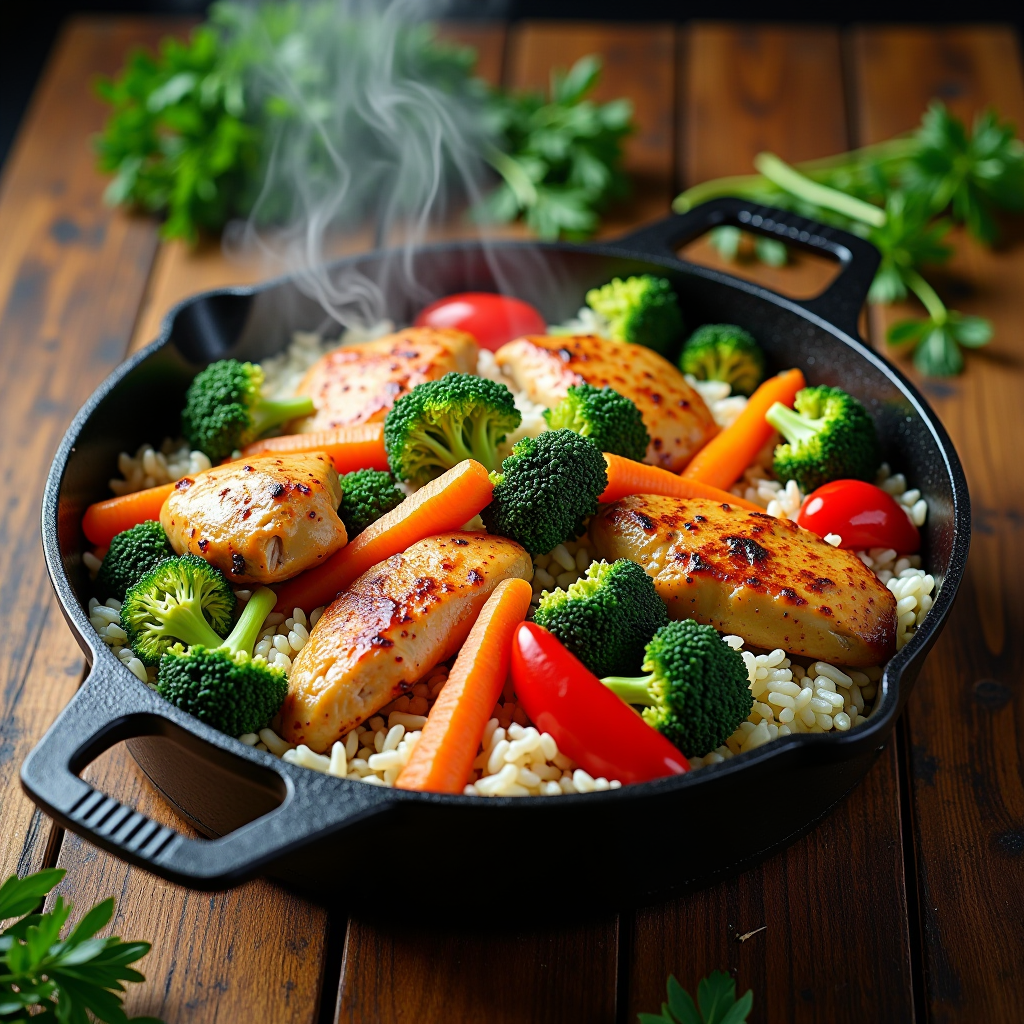
Busy weeknights call for simple solutions, and this one-pot chicken, rice, and vegetables recipe delivers exactly that. With minimal cleanup and maximum flavor, you'll have a complete, nutritious meal on the table in under an hour. This step-by-step guide will walk you through every detail, from ingredient preparation to serving suggestions.
Why One-Pot Meals Are Game-Changers
One-pot cooking has revolutionized home kitchens for good reason. When you learn how to cook complete meals in a single vessel, you're not just saving time on cleanup—you're building layers of flavor that simply can't be achieved when components are cooked separately. As ingredients simmer together, they exchange flavors, creating a harmonious dish where every bite tells the same delicious story.
This particular recipe combines protein, grains, and vegetables in perfect proportion. The chicken releases its savory juices into the rice as it cooks, while the vegetables add sweetness and texture. It's a complete meal that requires just one pot, one heat source, and about 45 minutes of your time—most of which is hands-off cooking.
For meal prep enthusiasts, this recipe is a dream come true. Make a large batch on Sunday, and you'll have ready-to-reheat lunches or dinners throughout the week. The flavors actually improve after a day in the refrigerator, making it an ideal candidate for advance preparation.
Essential Ingredients and Smart Substitutions
Before you begin, gather these key ingredients. The beauty of this recipe lies in its flexibility—you can adapt it based on what's in your pantry or what's on sale at the market.
The Protein Foundation
Start with 1.5 pounds of boneless, skinless chicken thighs or breasts. Thighs remain more tender and flavorful during the longer cooking time, but breasts work perfectly if you prefer leaner meat. Cut the chicken into 1.5-inch pieces for even cooking. Season generously with salt, pepper, and your choice of herbs—paprika, garlic powder, and dried thyme create a classic flavor profile that complements the vegetables beautifully.
If you're looking to learn how to cook with different proteins, this recipe adapts wonderfully. Substitute the chicken with firm white fish (add it in the last 10 minutes), shrimp (last 5 minutes), or even cubed tofu for a vegetarian version. Each protein brings its own character to the dish while the cooking method remains essentially the same.
Choosing Your Rice
Long-grain white rice is the traditional choice, requiring 1.5 cups for this recipe. When you learn how to cook rice properly in a one-pot meal, you'll discover it's all about the liquid ratio. For white rice, use 2.5 cups of chicken broth or water. The rice absorbs the cooking liquid along with all those wonderful flavors from the chicken and vegetables.
Brown rice lovers can absolutely make this substitution, but you'll need to adjust your technique. Brown rice requires more liquid (3 cups) and additional cooking time (about 15 minutes longer). Add the vegetables later in the cooking process to prevent them from becoming mushy. Jasmine rice creates a fragrant variation, while basmati adds a nutty dimension to the finished dish.
Vegetable Selection Strategy
The vegetable component is where you can truly customize this recipe. A classic combination includes 1 cup diced bell peppers (any color), 1 cup broccoli florets, 1 cup sliced carrots, and 1/2 cup frozen peas. These vegetables provide color, nutrition, and varied textures that make every forkful interesting.
Choose vegetables with similar cooking times, or add quicker-cooking options later in the process. Zucchini, green beans, and snap peas all work beautifully. Heartier vegetables like cauliflower and Brussels sprouts (halved) can go in from the start. Leafy greens like spinach or kale should be stirred in during the last 2 minutes, just until wilted.
Step-by-Step Cooking Instructions
Now that you understand the ingredients, let's walk through the cooking process. This method ensures perfectly cooked chicken, fluffy rice, and tender-crisp vegetables every single time.
Building the Flavor Base
Heat 2 tablespoons of olive oil in a large, deep skillet or Dutch oven over medium-high heat. When the oil shimmers, add your seasoned chicken pieces in a single layer. This is crucial—don't crowd the pan. If necessary, brown the chicken in batches. You're looking for a golden-brown exterior, which takes about 3-4 minutes per side. This browning process, known as the Maillard reaction, creates complex flavors that will permeate the entire dish.
Once browned, remove the chicken to a plate. It won't be cooked through yet—that's intentional. The chicken will finish cooking with the rice, staying moist and tender. In the same pot, add 1 diced onion and 3 minced garlic cloves. Sauté for 2-3 minutes until fragrant and the onion turns translucent. This aromatic base is essential for depth of flavor.
Adding Rice and Liquid
Add your uncooked rice to the pot, stirring it into the onion and garlic mixture. Toast the rice for about 1 minute—you'll notice it becomes slightly translucent around the edges. This step helps the grains maintain their structure during cooking, preventing mushy rice.
Pour in 2.5 cups of chicken broth (or vegetable broth for a lighter flavor). Add 1 teaspoon of salt, 1/2 teaspoon of black pepper, and any additional seasonings you enjoy. A bay leaf, a pinch of saffron, or a teaspoon of curry powder can transform the dish's flavor profile. Stir everything together, scraping up any browned bits from the bottom of the pot—those bits are pure flavor gold.
The Simmering Process
Nestle the browned chicken pieces back into the pot, along with any accumulated juices. Arrange your heartier vegetables (carrots, bell peppers, broccoli) around and on top of the chicken. Bring the liquid to a boil, then immediately reduce the heat to low. Cover the pot with a tight-fitting lid.
Here's where patience pays off. Let the pot simmer undisturbed for 20 minutes. Resist the urge to lift the lid and peek—every time you do, you release steam and lower the temperature, which affects cooking time and rice texture. Set a timer and trust the process. During this time, the rice absorbs the liquid, the chicken cooks through, and the vegetables begin to soften.
Final Touches
After 20 minutes, quickly add any quick-cooking vegetables like peas or corn. Replace the lid and cook for an additional 5 minutes. Then, remove the pot from heat but keep it covered for another 5 minutes. This resting period allows the rice to finish steaming and the flavors to meld completely.
Remove the lid and fluff the rice gently with a fork, being careful not to break up the chicken pieces. Taste and adjust seasoning if needed. A squeeze of fresh lemon juice brightens all the flavors, while a handful of chopped fresh herbs (parsley, cilantro, or basil) adds a fresh, vibrant finish.
Time-Saving Tips for Busy Cooks
Even though this is already a streamlined recipe, there are ways to make it even more efficient for your busiest days. Prep work is your best friend when learning how to cook efficiently.
On a less hectic day, cut your chicken and vegetables, storing them in separate containers in the refrigerator for up to 2 days. Measure out your rice and seasonings into small containers. When dinner time arrives, you'll simply need to brown, add, and simmer—cutting your active cooking time in half.
Consider using pre-cut vegetables from the grocery store. While slightly more expensive, they eliminate chopping time entirely. Frozen vegetable medleys work wonderfully too—just add them frozen during the last 5 minutes of cooking. They'll thaw and heat through perfectly without becoming waterlogged.
If you're cooking for one or two people, this recipe scales down beautifully. Use 3/4 pound chicken, 3/4 cup rice, 1.25 cups broth, and reduce vegetables proportionally. The cooking time remains the same, but you'll use a smaller pot. Conversely, you can double the recipe for meal prep or feeding a crowd—just use a larger pot and add 5 minutes to the covered cooking time.
Storage and Reheating Guidelines
Proper storage ensures your one-pot meal stays fresh and delicious for days. Allow the dish to cool to room temperature before transferring to airtight containers. Divide into individual portions for grab-and-go convenience, or store in a large container for family meals.
Refrigerated, this dish keeps beautifully for 4-5 days. The flavors actually deepen and improve after a day, making leftovers even more delicious than the original meal. For longer storage, freeze portions in freezer-safe containers for up to 3 months. Label with the date and contents for easy identification.
When reheating, add a splash of water or broth to prevent drying. Microwave individual portions for 2-3 minutes, stirring halfway through. For stovetop reheating, place the portion in a covered pan over medium-low heat, stirring occasionally, until heated through (about 5-7 minutes). Frozen portions should be thawed overnight in the refrigerator before reheating for best results.
Flavor Variations to Keep Things Interesting
Once you've mastered the basic technique, experiment with different flavor profiles to keep your weekly menu exciting. The fundamental cooking method remains the same—only the seasonings and some ingredients change.
Mediterranean Version
Replace the standard seasonings with oregano, basil, and a pinch of red pepper flakes. Add 1/2 cup halved cherry tomatoes, 1/4 cup sliced kalamata olives, and 2 tablespoons capers along with the vegetables. Finish with crumbled feta cheese and fresh basil. This variation pairs beautifully with a simple green salad.
Asian-Inspired Twist
Season the chicken with ginger and five-spice powder. Replace half the broth with coconut milk for richness. Add snap peas, water chestnuts, and baby corn as your vegetables. Finish with a drizzle of sesame oil, soy sauce, and sliced green onions. Serve with sriracha on the side for those who enjoy heat.
Mexican-Style Fiesta
Season with cumin, chili powder, and smoked paprika. Add black beans, corn, and diced tomatoes with green chiles. Use cilantro-lime rice by adding lime zest to the cooking liquid and fresh cilantro at the end. Top with shredded cheese, sour cream, and sliced avocado for a complete fiesta in a bowl.
Troubleshooting Common Issues
Even experienced cooks encounter occasional challenges. Here's how to solve the most common one-pot meal problems and ensure success every time.
Rice is too mushy:This usually means too much liquid or too long cooking time. Next time, reduce the broth by 1/4 cup and check the rice at 18 minutes instead of 20. Different rice brands absorb liquid differently, so you may need to adjust based on your specific rice.
Rice is undercooked or crunchy:Add 1/4 cup more liquid, cover, and cook for an additional 5 minutes. In the future, ensure your heat is truly at a low simmer—if it's too low, the rice won't cook properly. Also, make sure your lid fits tightly to trap steam.
Chicken is dry:Chicken breasts are more prone to drying than thighs. If using breasts, cut them slightly larger (2-inch pieces) and check for doneness at 20 minutes. The internal temperature should reach 165°F. Remove the chicken if it's done before the rice, then return it for the final resting period.
Vegetables are too soft:Add them later in the cooking process. Delicate vegetables like zucchini and bell peppers only need the last 10 minutes. Very delicate items like spinach or peas need just the final 2-3 minutes. Adjust timing based on your vegetable choices.
Bottom is sticking or burning:Your heat is too high. One-pot meals need gentle, consistent heat. If you notice sticking, immediately reduce heat and add a splash more liquid. A heavy-bottomed pot distributes heat more evenly and prevents hot spots that cause sticking.
Pro Tip:The key to perfect one-pot meals is understanding that different ingredients cook at different rates. Master the timing, and you'll be able to create countless variations using this same basic technique. Start with this recipe, then let your creativity guide you to new flavor combinations.
Making It Your Own
The beauty of learning how to cook one-pot meals is that once you understand the basic principles, you can adapt them infinitely. This recipe is your foundation—a reliable template that works every time. But don't be afraid to experiment.
Try different proteins, grains, and vegetable combinations. Swap chicken for turkey, pork, or even lamb. Replace rice with quinoa, farro, or orzo pasta (adjusting liquid and timing accordingly). Use whatever vegetables are in season or on sale. Each variation teaches you something new about how ingredients interact and how flavors develop.
Keep notes on your experiments—what worked, what didn't, and what you'd change next time. Over time, you'll develop an intuitive understanding of one-pot cooking that allows you to create delicious meals without even consulting a recipe. That's when cooking transforms from following instructions to true culinary creativity.
This one-pot chicken, rice, and vegetables recipe is more than just a convenient dinner solution. It's a gateway to understanding how complete meals come together, how flavors build and meld, and how simple techniques can produce impressive results. Whether you're cooking for yourself, your family, or preparing meals for the week ahead, this recipe delivers consistent, delicious results with minimal effort and cleanup. Master this technique, and you'll have a reliable tool in your cooking arsenal that serves you well for years to come.